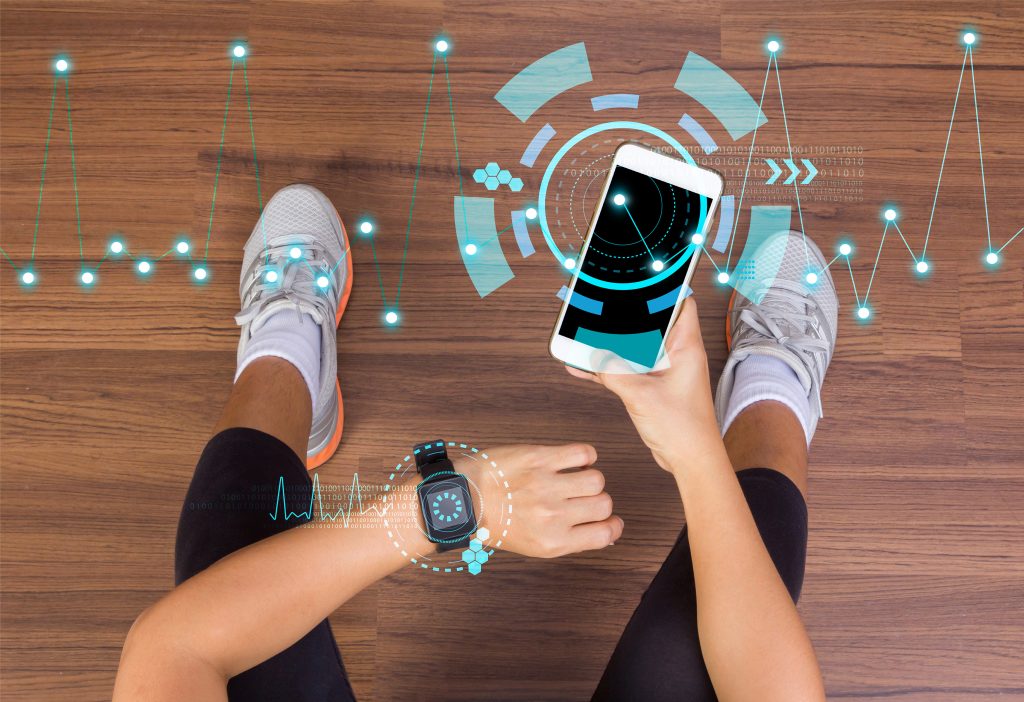
Embracing the Digital Fitness

In an era dominated by digital innovation, the youth are leveraging the power of technology to
transform their approach to fitness. From smartphone apps to wearable devices, digital tools have
become integral to the fitness journeys of young individuals across the continent. Let’s explore how
these digital tools empower the youth to stay active and embrace healthier lifestyles.
Back in the day, fitness enthusiasts had to rely solely on gym memberships or personal trainers.
Today, with just a few taps on their smartphones, young people can access a wealth of fitness resources
at their fingertips. Whether it’s tracking their daily steps, monitoring their heart rate during workouts, or
joining virtual exercise classes, digital tools make staying active more accessible and convenient than
ever before.
One of the most exciting aspects of digital fitness tools is their ability to gamify the workout experience.
These apps and platforms turn exercise into a fun and competitive game through features like virtual
challenges, achievement badges, and leaderboards. This gamification motivates young people to push
themselves harder and fosters a sense of community and camaraderie among users as they compete
and collaborate with friends and fellow fitness enthusiasts.
Another key benefit of digital fitness tools is their ability to offer personalized solutions tailored to
individual needs and preferences. Whether it’s creating custom workout plans, recommending
nutritional guidelines, or providing real-time feedback on performance, these tools adapt to each user’s
unique goals and capabilities. By harnessing data-driven insights and algorithms, young people can
optimize their fitness routines for maximum effectiveness and sustainability.
In addition to facilitating workouts, digital tools also serve as valuable educational resources for youth.
With access to many online tutorials, articles, and expert advice, individuals can deepen their
understanding of various aspects of fitness, from proper exercise techniques to nutritional principles
and mental well-being strategies. This democratization of knowledge empowers young people to make
informed decisions about their health and well-being, laying the foundation for lifelong fitness habits.
While digital tools offer immense benefits, they come with their fair share of challenges. Data privacy
concerns, information overload, and the risk of over-reliance on technology must be addressed to
ensure the responsible use of these tools. Moreover, there is a need to balance virtual and real-world
experiences to prevent social isolation and maintain a holistic approach to fitness.
In conclusion, digital tools have become indispensable companions for the youth on their fitness
journeys. From enhancing accessibility and motivation to offering personalized solutions and
educational resources, these tools empower young individuals to lead healthier, more active lifestyles.
By harnessing the potential of technology responsibly and overcoming challenges, the youth can
continue to embrace the digital fitness revolution and unlock new levels of well-being and vitality.