

10 Physical Activities You Can Do at Home to Stay Active

Staying physically active at home is essential for both physical and mental well-being. The American College of Sports Medicine recommends adults aim for at least 150 minutes of moderate-intensity activity or 75 minutes of vigorous-intensity activity per week (Heebner, 2020). Below are ten evidence-based activities that you can incorporate into your routine to meet these guidelines.
1. Bodyweight Exercises
Bodyweight exercises, or calisthenics, utilize your own body weight as resistance to build strength. Common examples include push-ups, squats, and planks, which target major muscle groups effectively (MedicalNewsToday, 2020).
- Fitness Blender: Offers a wide range of bodyweight workouts suitable for all fitness levels.
- THENX: Specializes in calisthenics and bodyweight training, providing tutorials and full workouts.
2. Home Cardio
Cardio exercises can improve cardiovascular health even within the confines of your home. Activities like jumping jacks, high knees, or jogging in place are simple yet effective ways to elevate your heart rate (MedicalNewsToday, 2020).
- POPSUGAR Fitness: Features various cardio routines, including dance and high-intensity interval training (HIIT).
- The Fitness Marshall: Provides energetic dance cardio workouts set to popular music tracks.
3. Yoga
Yoga has been shown to enhance flexibility, balance, and mental well-being. It requires minimal space and equipment, making it accessible for home practice (MedicalNewsToday, 2020; Shaheen et al., 2021).
- Yoga with Adriene: Offers a vast library of yoga practices for all levels, focusing on mindfulness and flexibility.
- Yoga with Kassandra: Provides diverse yoga routines, including morning stretches and deep relaxation sessions.
4. Pilates
Pilates is beneficial for improving muscular endurance, flexibility, and core strength. Research suggests it may also help alleviate chronic low back pain (MedicalNewsToday, 2020).
- Blogilates: Led by Cassey Ho, this channel combines Pilates with fun, engaging routines suitable for various fitness levels.
- Move with Nicole: Offers Pilates and yoga fusion workouts aimed at improving strength and flexibility.
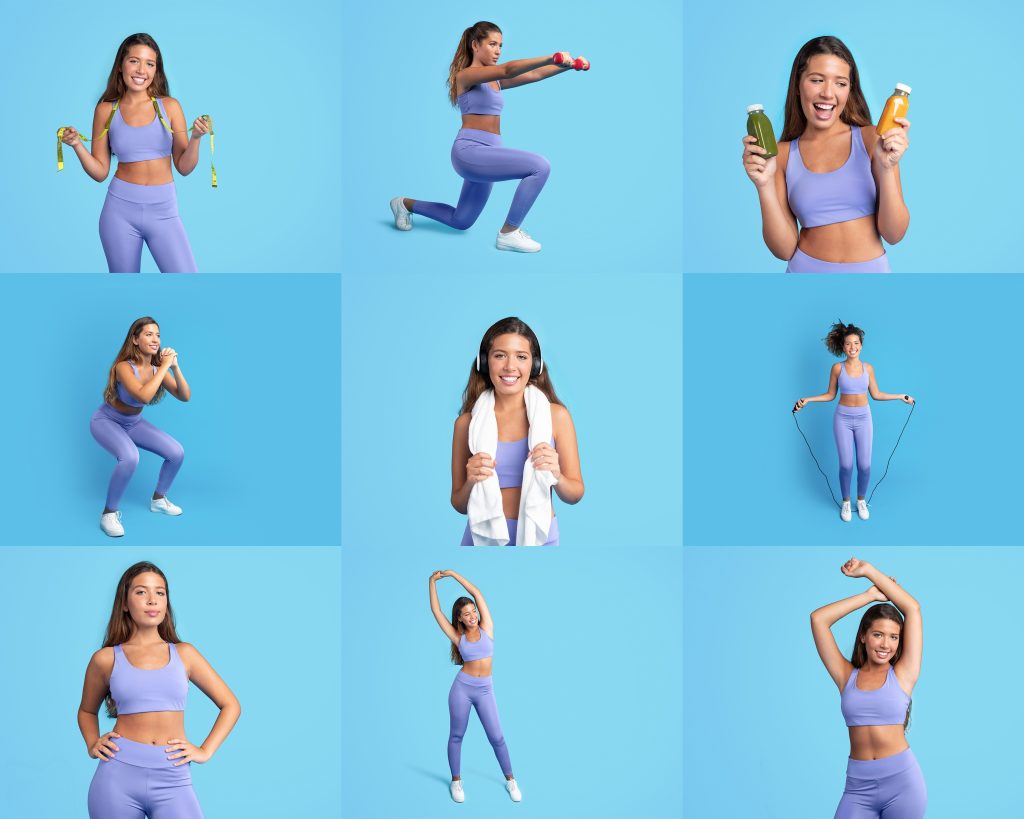
5. Strength Training
Using resistance bands or household items like water bottles can provide an effective strength training workout. The World Health Organization recommends muscle-strengthening activities at least twice per week (World Health Organization, 2020).
- BodyFit by Amy: Features strength training workouts using minimal equipment, perfect for home exercise.
- HASfit: Provides free full-length workout videos, including strength training sessions for all fitness levels.
6. Dancing
Dancing is a fun and engaging way to achieve moderate-intensity aerobic exercise. It not only improves cardiovascular fitness but also boosts mood (HelpGuide, 2024).
- 305 Fitness: Delivers high-energy dance workouts that make exercising fun and effective.
- Dance Fitness with Jessica: Offers dance routines to popular songs, suitable for all skill levels.
7. Stair Climbing
If you have access to stairs, climbing them is an excellent high-intensity workout that improves cardiovascular fitness and strengthens lower body muscles (American Heart Association, 2024).
8. Active Video Games
Exergames (exercise-based video games) combine entertainment with physical activity, making exercise enjoyable for those who find traditional methods less appealing. Research highlights their ability to improve fitness levels effectively (Shaheen et al., 2021).
9. Home-Based Circuit Training
Circuit training combines strength and cardio exercises into one comprehensive workout. Studies show that home-based circuit training can improve overall physical fitness, particularly in older adults (Jansons et al., 2017).
- Natacha Océane: Offers science-based circuit training workouts that can be done at home with minimal equipment.
- Heather Robertson: Provides full-body circuit workouts designed for home exercise routines.
10. Gardening
Gardening activities such as digging and shoveling are considered strength-building exercises. They contribute to meeting weekly physical activity goals while also providing a sense of accomplishment and connection to nature (NHS, 2024).
Additional Resources
To enhance your home workout routine, consider these free resources:
- NHS Fitness Studio: Offers free exercise videos tailored to various fitness levels.
- American Heart Association: Provides activity recommendations and tips for staying active.
- National Institute on Aging: Offers guidelines for exercise and physical activity, particularly for older adults.
Tips for Safe Exercise
- Start slowly: Gradually increase intensity if you’re new to exercise.
- Warm up and cool down: Incorporate these periods into your routine to reduce the risk of injury (Park et al., 2019).
- Listen to your body: If you feel discomfort or pain, adjust your activity accordingly.
By incorporating these activities into your daily routine, you can stay active at home and support your overall health and well-being.
References
- Heebner, N. (2020). “Why You Should Remain Active While Staying Home.” UKnow. Retrieved from https://uknow.uky.edu/uk-healthcare/why-you-should-remain-active-while-staying-home.
- Jansons, P. S., et al. (2017). “Home-Based Circuit Training Improves Fitness in Older Adults.” Journal of Physiotherapy. Retrieved from https://pubmed.ncbi.nlm.nih.gov/33571702/.
- American Heart Association. (2024). “Recommendations for Physical Activity in Adults.” Retrieved from https://www.heart.org/en/healthy-living/fitness/fitness-basics/aha-recs-for-physical-activity-in-adults.
- MedicalNewsToday. (2020). “Keeping Active While Staying Put: A Brief How-To Guide.” Retrieved from https://www.medicalnewstoday.com/articles/keeping-active-while-staying-put-a-brief-how-to-guide.
- Ammar, A., et al. (2020). “Physical Activity During the COVID-19 Pandemic.” Nutrients. Retrieved from https://odphp.health.gov/healthypeople/tools-action/browse-evidence-based-resources/physical-activity-home-based-exercise-interventions-adults-aged-65-years-and-older.
- HelpGuide. (2024). “Staying Active at Home: Tips for Fitness During COVID-19.” Retrieved from https://www.helpguide.org/wellness/fitness/exercise-during-coronavirus.
- Shaheen, N. A., et al. (2021). “Exergames and Physical Fitness.” Frontiers in Digital Health. Retrieved from https://www.frontiersin.org/journals/digital-health/articles/10.3389/fdgth.2021.753115/full.
- World Health Organization. (2020). “Guidelines on Physical Activity and Sedentary Behaviour.” Retrieved from https://www.thieme-connect.com/products/ejournals/pdf/10.1055/s-0043-120527.pdf.
- Park, S. K., et al. (2019). “The Importance of Warm-Ups and Cool-Downs.” Korean Journal of Family Medicine. Retrieved from https://pmc.ncbi.nlm.nih.gov/articles/PMC6536904/.
- NHS. (2024). “Physical Activity Guidelines for Adults Aged 19 to 64.” Retrieved from https://www.nhs.uk/live-well/exercise/physical-activity-guidelines-for-adults-aged-19-to-64/.


